
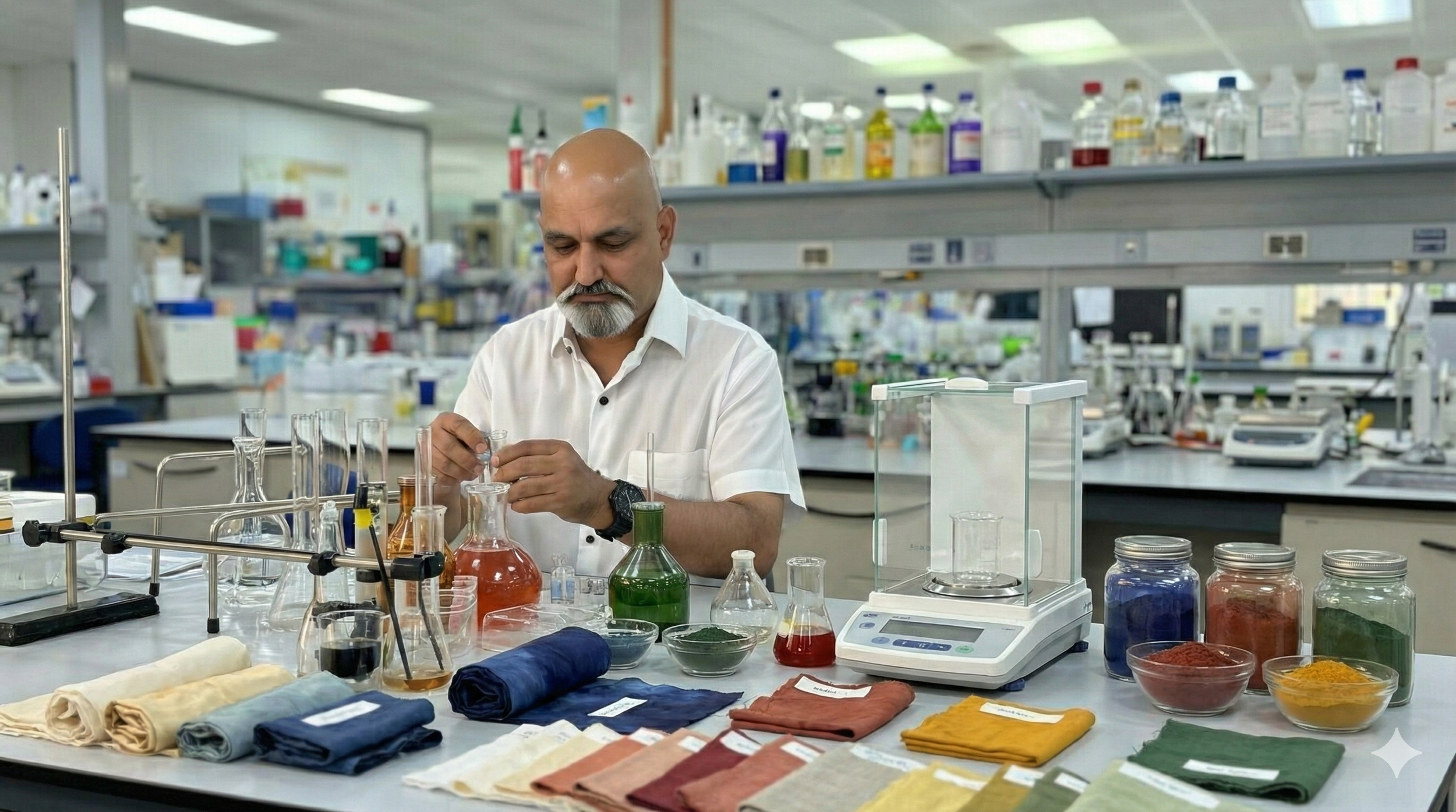

We didn't just study natural dyes;
We spent 25 years engineering their revolution for the modern industry.Explore Our Dye Varieties
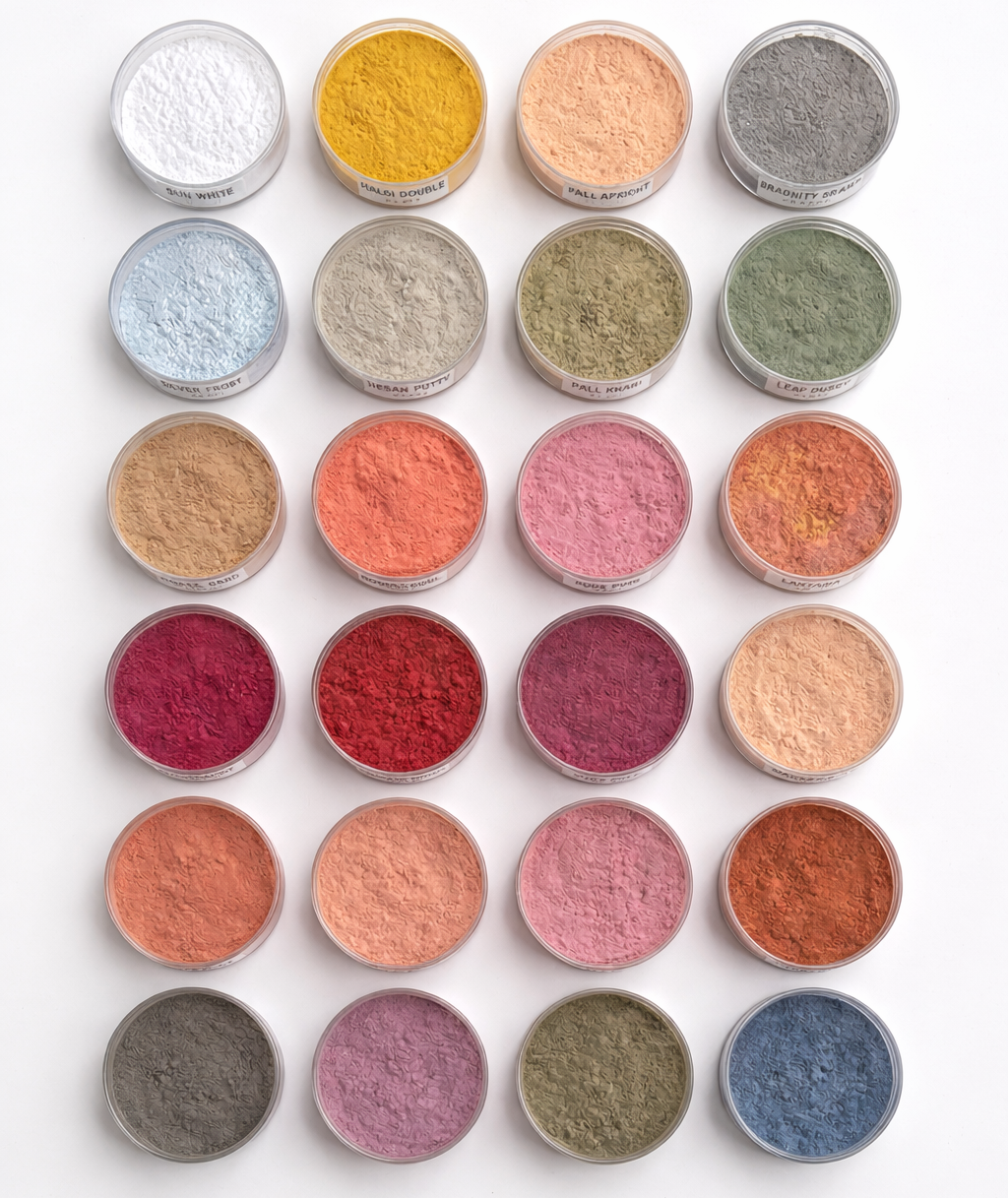
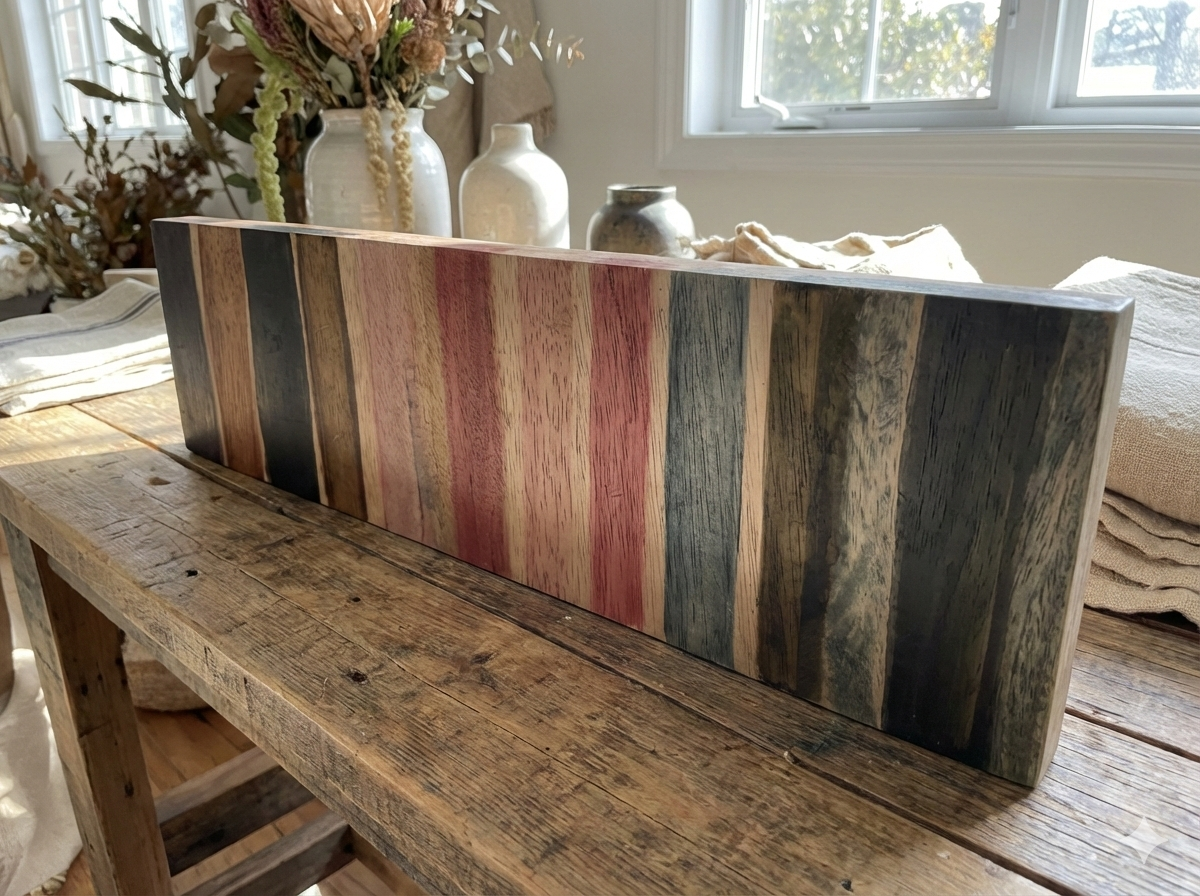
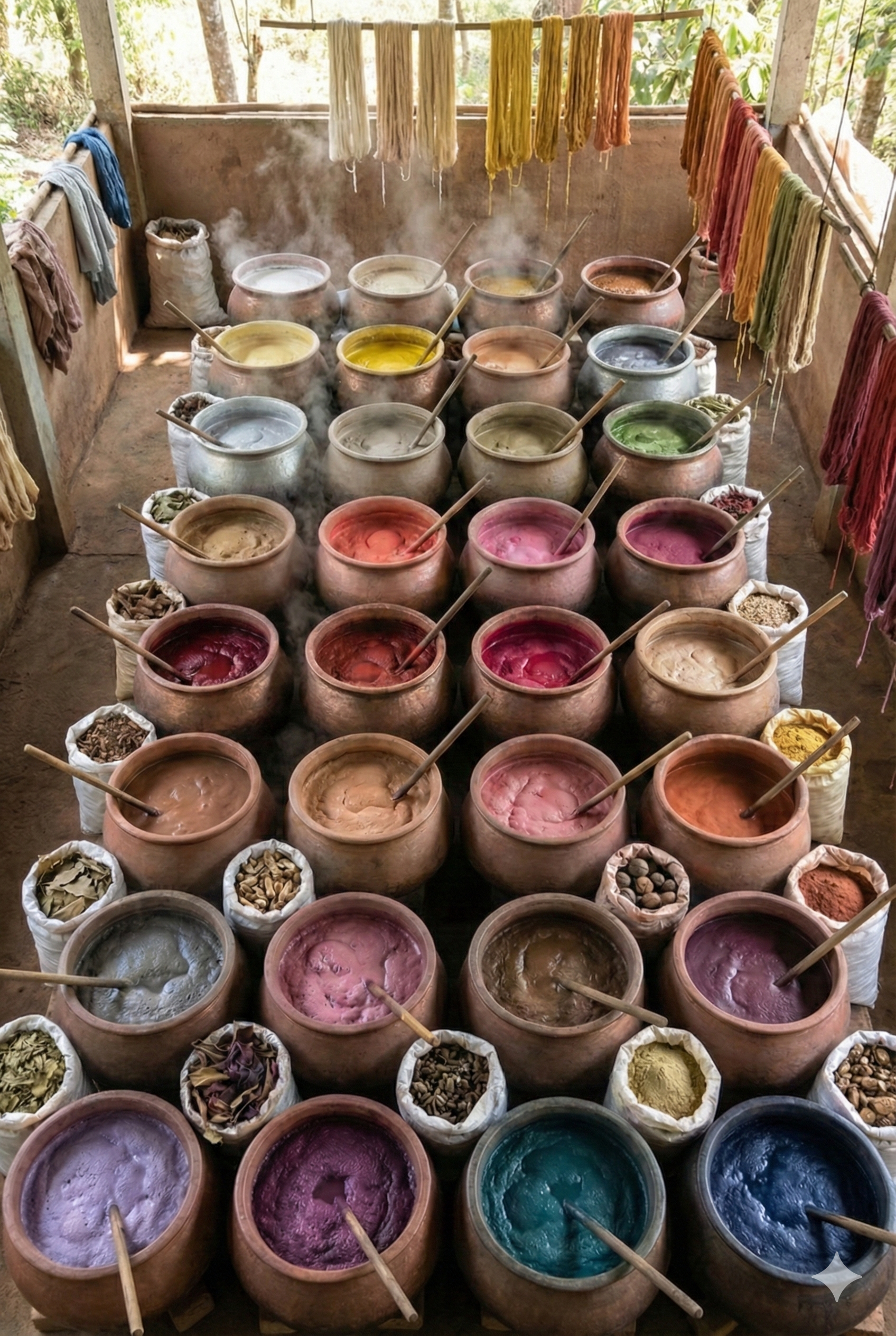
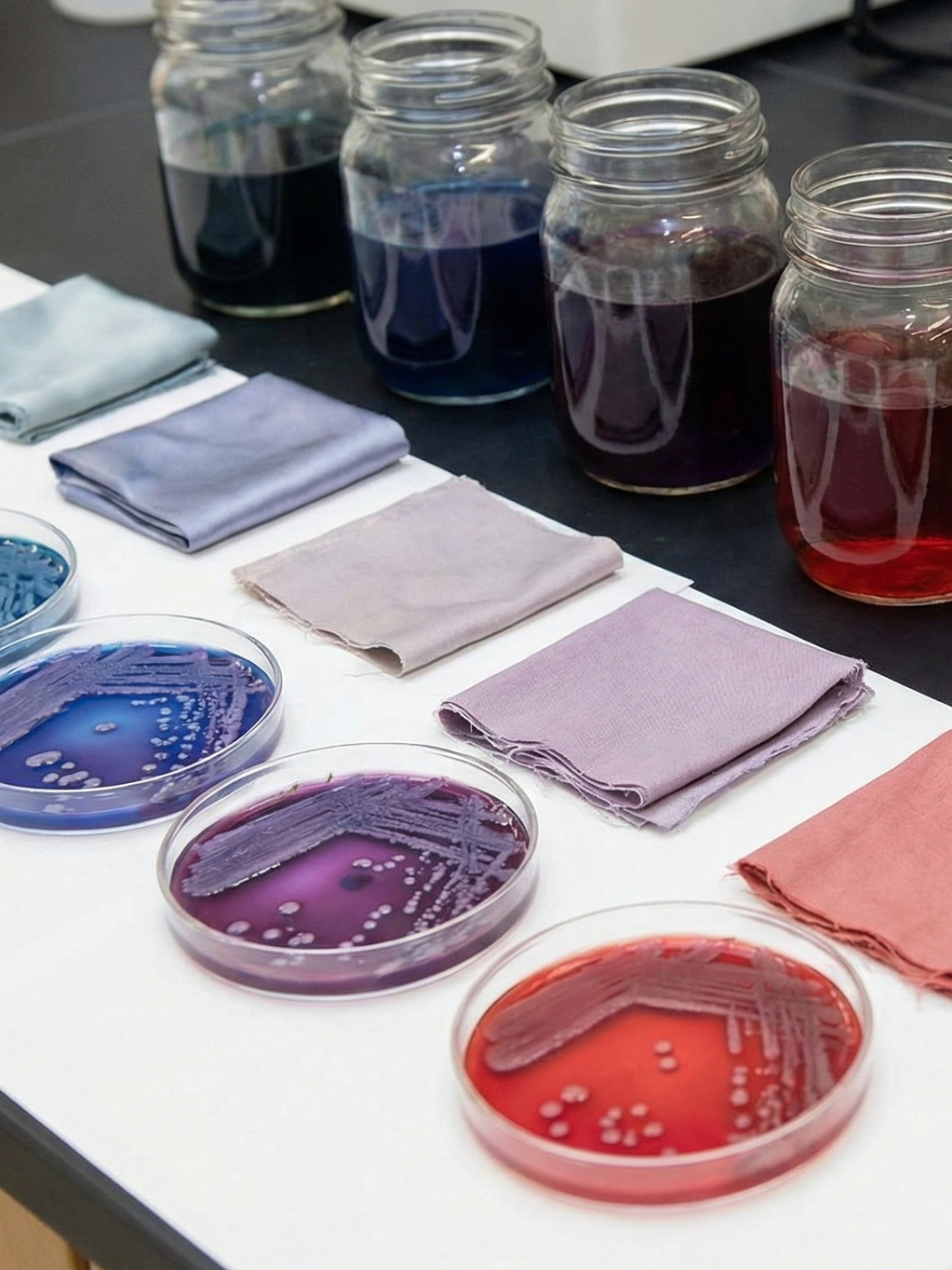
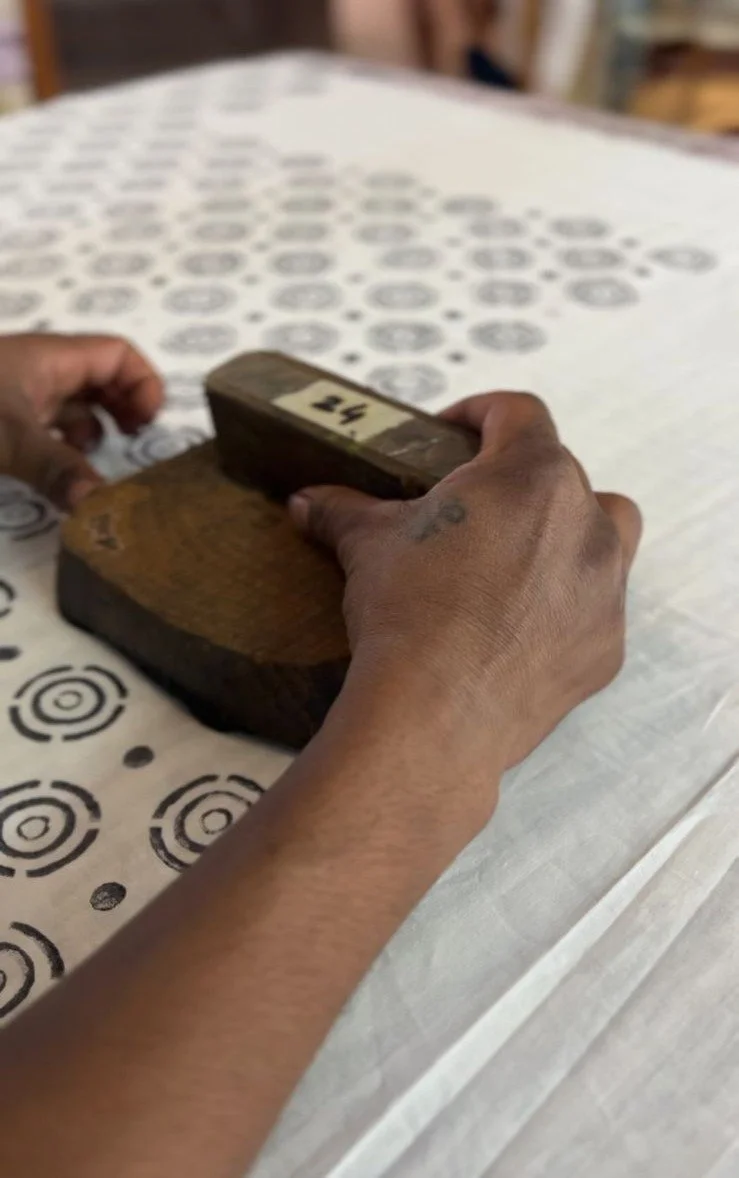
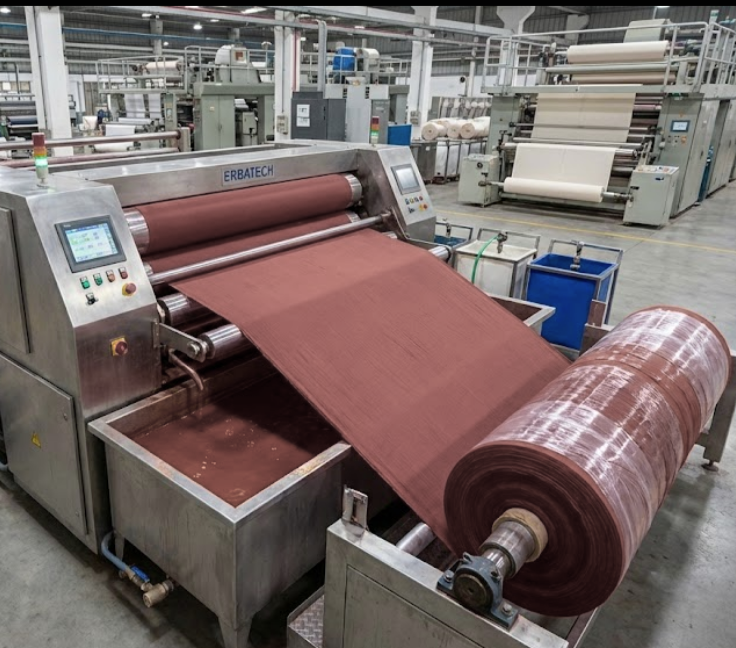
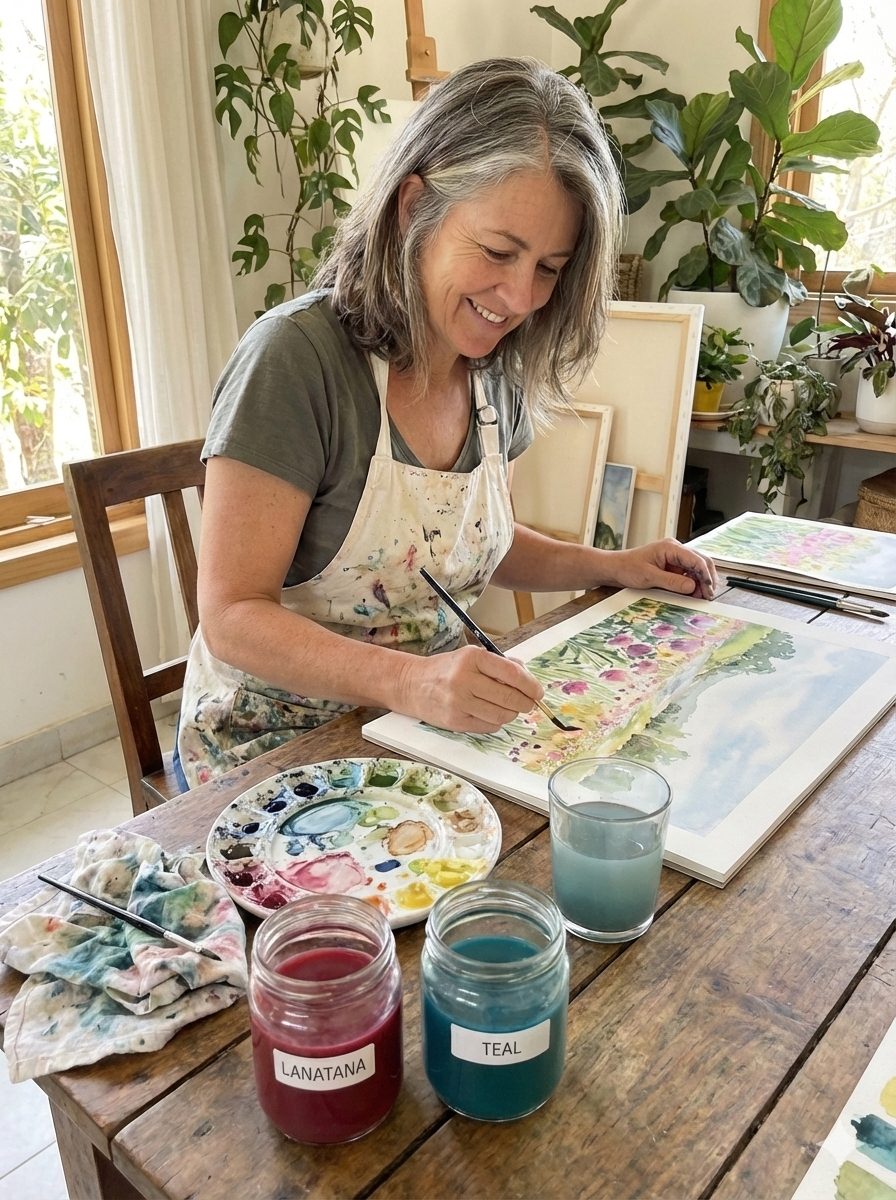
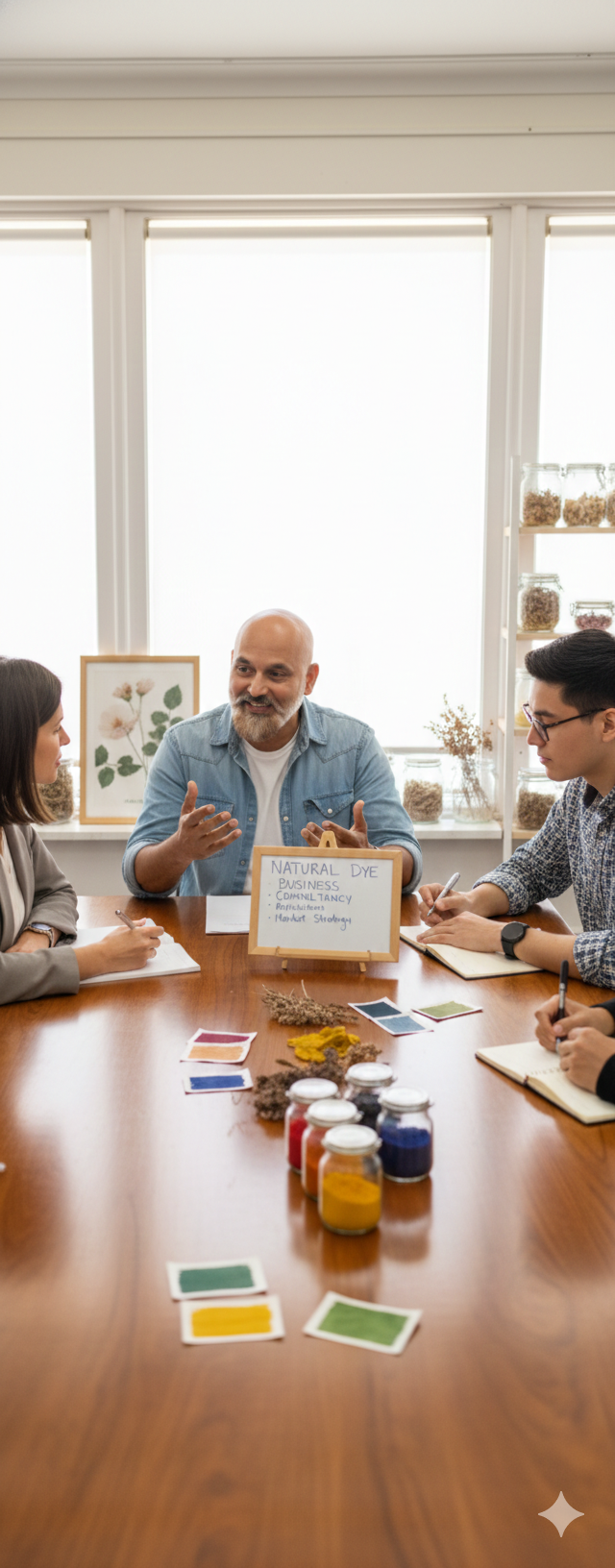
Get Advice, On the house
For years, we’ve been guiding designers, brands, and makers through their journey with natural colour.
With hands-on experience in natural dyeing across fabrics, garments, yarns, paper, and wood, the True Tone Ink team brings deep material knowledge and process clarity to every conversation. From shade selection and fabric behaviour to print techniques and production feasibility, we help you make informed, conscious choices.
Please go through the terms and conditions before filling the form.
CPD Dyes
Paper Painting Paste
Amrut Dyes
CBP Dyes
Fabric Printing Paste
Holi Colors
We Are Certified

Global Organic Textile Standard We are GOTS Certified

Our Dyes are patented in
USA and India
Our dyes our standardized Consistent & Repeatable
We Innovated
Water Less Dyes
A Quick Comparison Chart of Different Dyes with our Truetone Ink Herbal / Natural Dyes
| Parameter | Conventional | Eco-Friendly | Herbal / Natural |
|---|---|---|---|
| Origin / Development | Developed about 80 years back | Developed approx. 15 years back | Lost treasures of Indian heritage dating back approximately 4000 yrs, which is being rediscovered |
| Environmental Impact | Heavy environmental pollution; as 8000 chemicals involved | Even though pollution under check, 8000 chemicals still involved | The colors are derived from medicinally rich herbs, flowers, stems, roots, etc. |
| Chemical Use | Mostly allergenic, promicrobial, inflammatory, and bad for transpiration | Could be allergenic, promicrobial, inflammatory & bad transpiration. Thus called low-impact dyeing | Herbs used are known to cure allergies; have antimicrobial and anti-inflammatory properties; enhancing body transpiration |
| Carcinogenic Substances | 42 cancer-producing chemicals could be present | So far only 22 amines banned in azo-free processing | No cancerous amines present. Instead has rich medicinal properties due to medicinal herbs |
| Fabric Type | Fabric used may be synthetic or natural | Depends on chemicals used | Process only possible on natural fabrics such as cotton, silk, and wool |
| Printing / Dyeing Method | Printed / Dyed / Woven (Machine process) | Printed / Dyed / Woven (Machine process) | Printed / Dyed / Woven by hand as well as by machine |
| Bleaching | Chlorine bleach used | Chlorine bleach is totally banned | Only natural bleaching done |
| Detergents Used | Non-biodegradable detergents used | Mostly degradable detergents used | Biodegradable and natural detergents used |
| Fabric Strength / Durability | Weakens fabric fiber due to chemicals involved | Weakens fabric fiber due to chemicals involved | Strengthens and retains natural fiber; lasts longer |
Shop Our DIY Kits 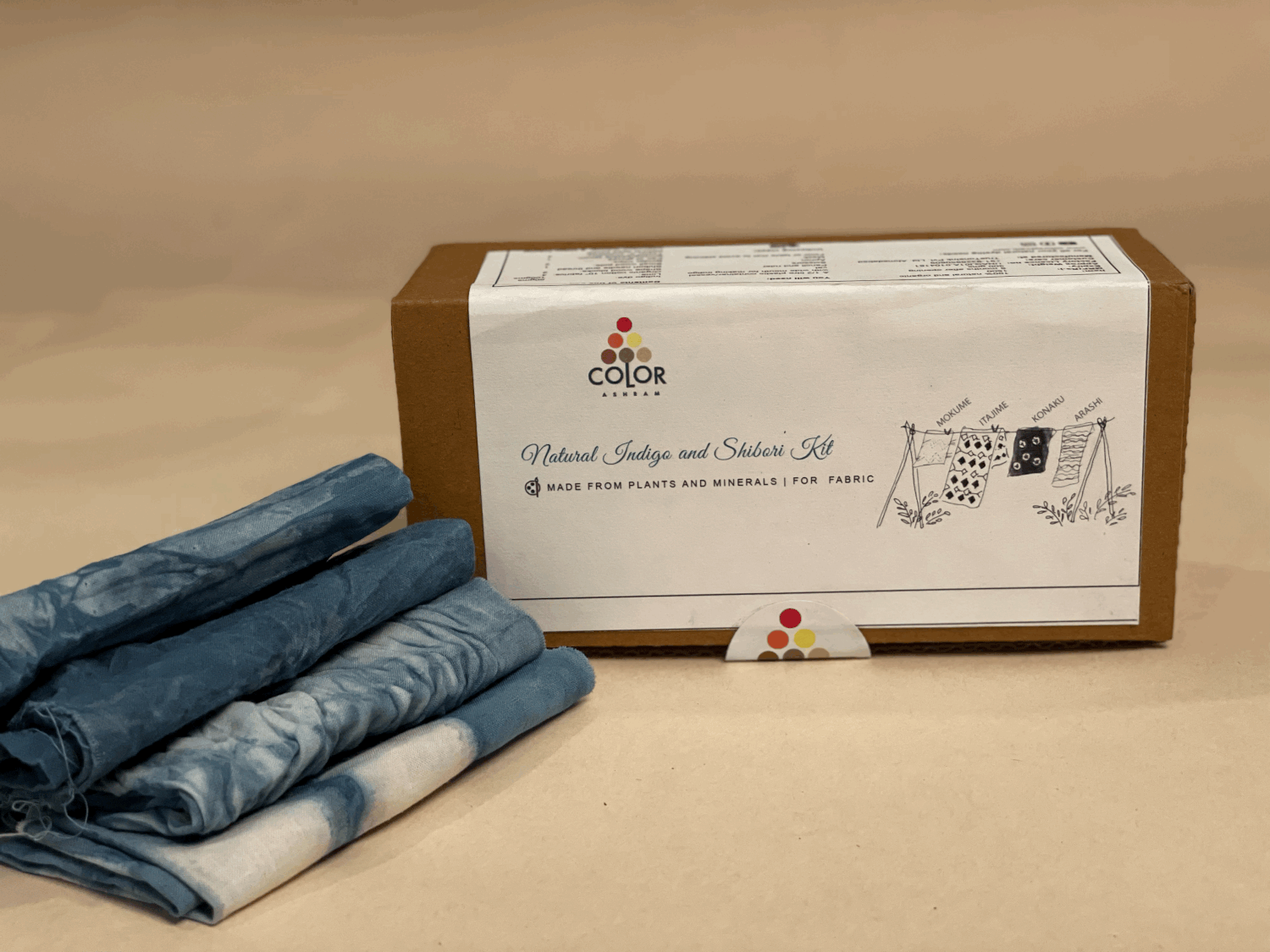
DIY Kit: Natural Indigo and Shibori
₹1,500.00
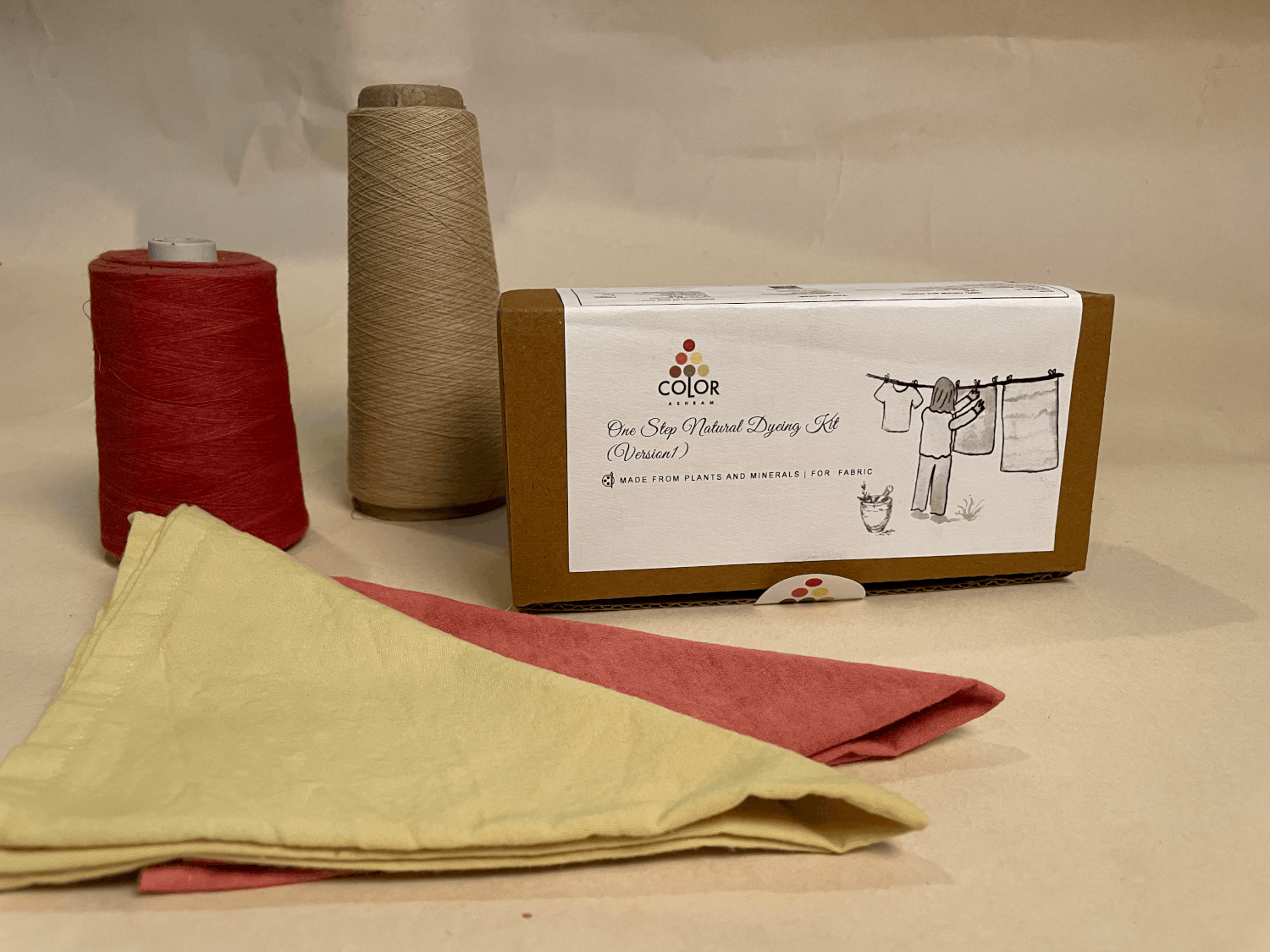
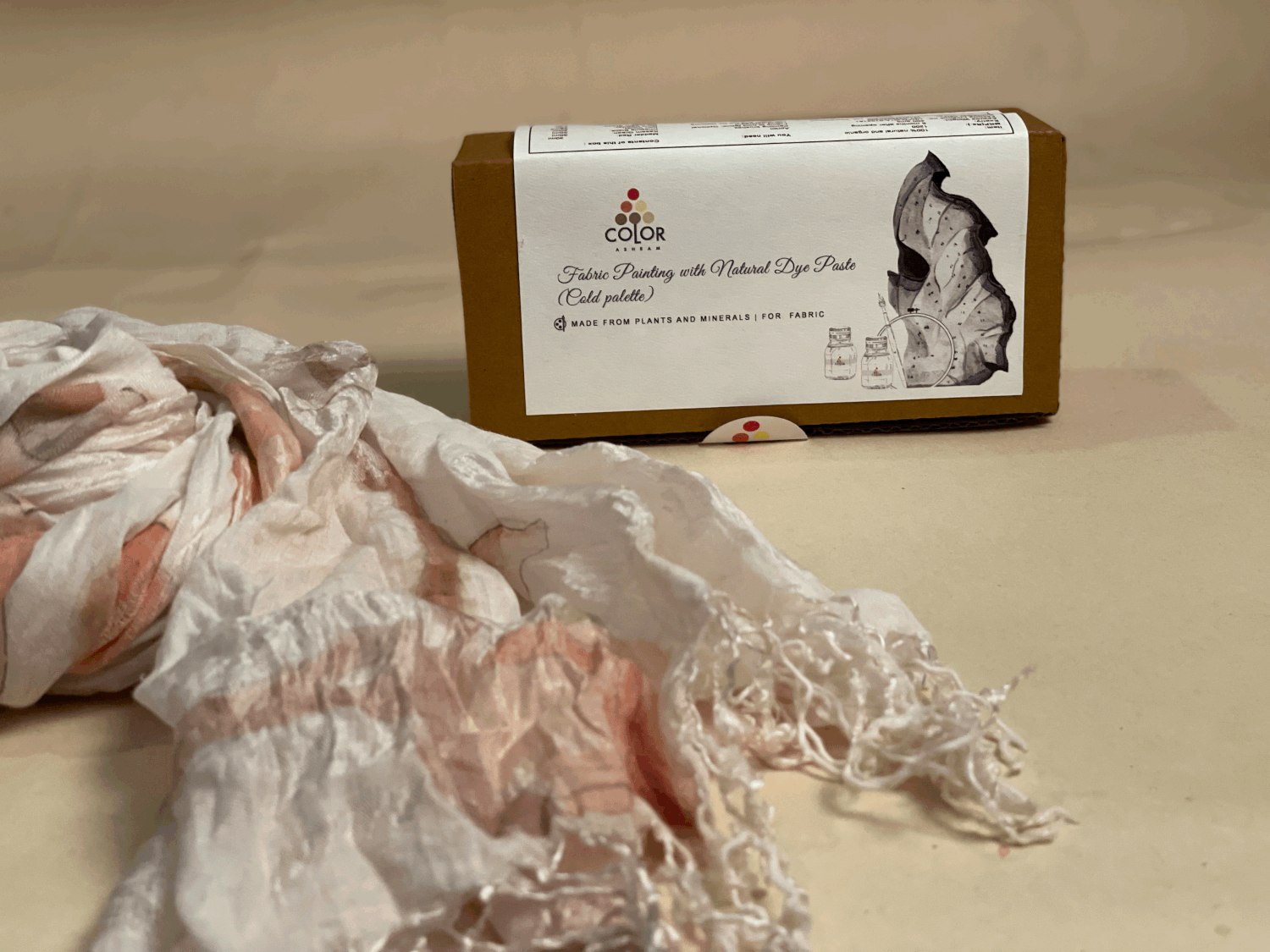
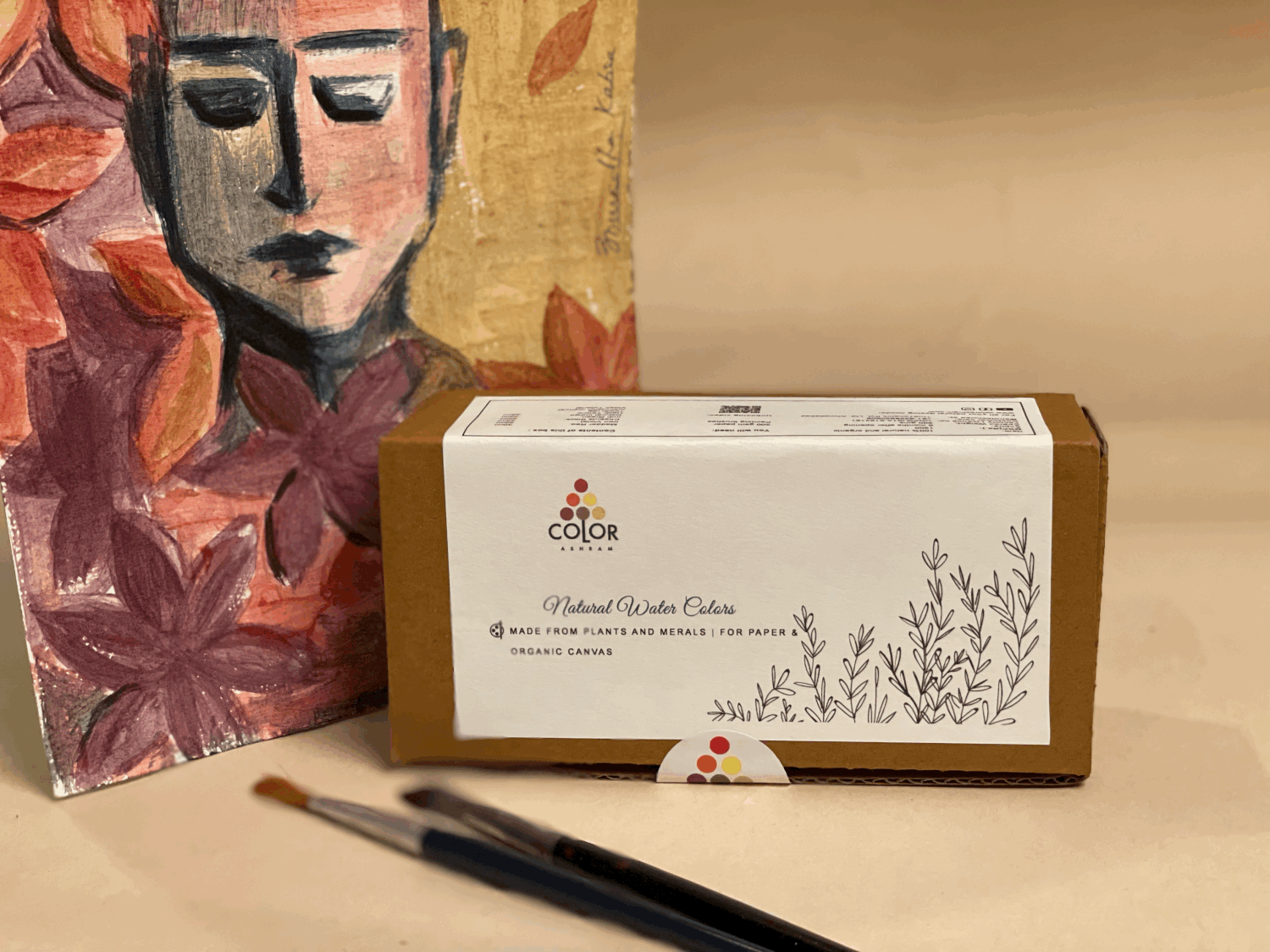
DIY Kit: Natural Water Colors
₹1,200.00